Air pollution is estimated to cause over 4,000 premature deaths in London every year. The severe reality of air pollution is generally much worse than most of us are aware. Citizen Science initiatives are one ways to take action in your local area.
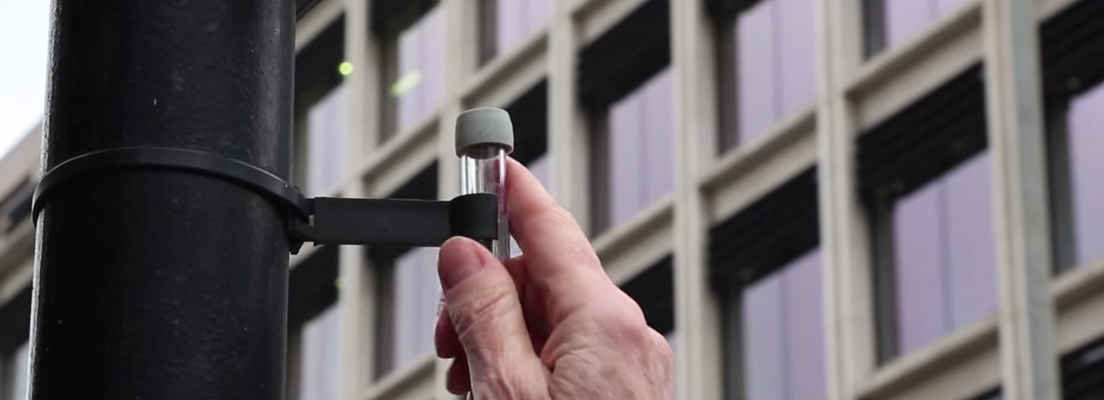
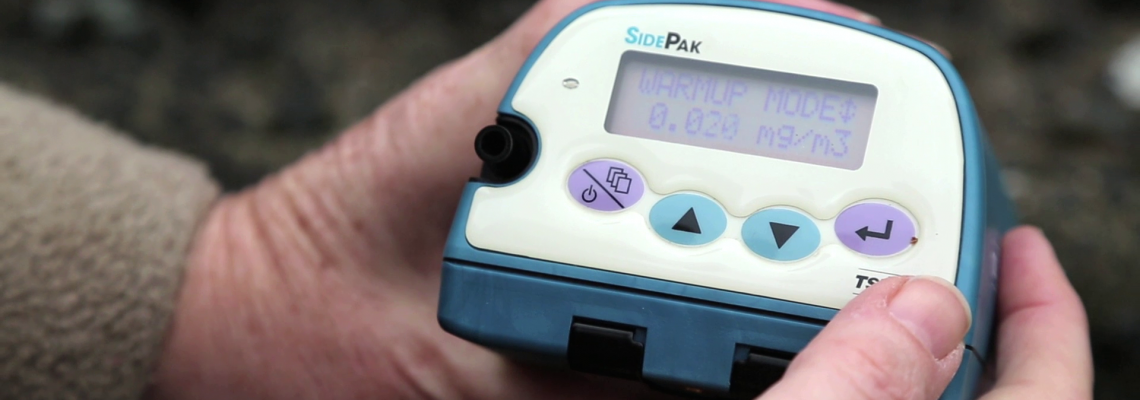
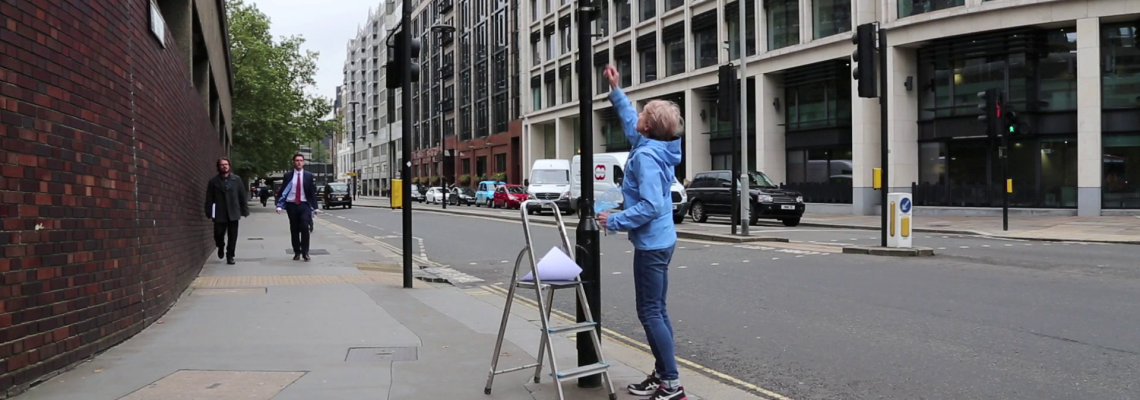
Science in the City is a project that is being carried out with residents in the Barbican and Mansell Street, in the City of London. Residents are using low-tech tools to measure Nitrogen Dioxide and particulates.
Our Role
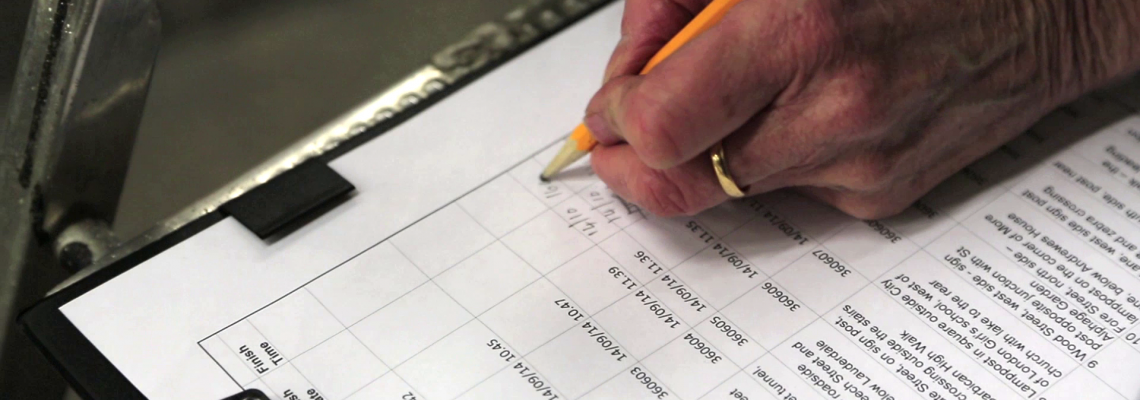
Commissioned by the City of London, Mapping for Change are providing support and training to enable communities to measure and map air quality. We are also responsible for data analysis and visualisation.
By collecting this data locally, communities have been able to raise awareness and develop strategies and solutions for mediating the negative impact of air pollution.
Community groups made the decision to digitise the data on our Community Maps platform. You can see the findings here.
Dust Storm Mapping – April 2014
A dust cloud caused massive spikes in air pollution during April 2014. Use of hand-held particulate monitors captured the results.
Documentary: Barbican Air Quality Monitoring: A Beacon of Hope for Citizen Science
When this project was advertised around the estate, I thought, ‘that’s something I can get involved with that doesn’t take up a lot of my time’. It’s one of those things where, if you get lots of people doing a little bit, it adds up to something that’s big, and important.” Maggie Urry – Barbican Resident
See the documentary
Read the final report


Related Projects
Ramp It Up!
‘Ramp It Up’ was a social media campaign aiming to increase awareness about the barriers people with limited mobility face on a daily basis. We called on communities to help their towns and cities become more wheelchair friendly by encouraging shops, restaurants or any building open to the public to use portable wheelchair ramps if more permanent solutions cannot be made.
D-NOSES - Tackling Odour Pollution Across Europe
D-NOSES is a three-year EU funded research project which aims to provide a solution to the largely neglected issue of odour pollution, changing the traditional top-down approach for a bottom-up one. The lack of regulation from authorities around odour pollution is mainly due to it being difficult to reliably measure and the potential solutions being costly to implement.