In 2012, the Big Lottery Fund in England invested £1 million in 150 neighbourhoods for its Big Local initiative. Northfleet, Kent, was one of the first 50 to be selected. The grant aimed to equip local communities with skills and tools to identify key areas and issues where action was required in their area.
Our role
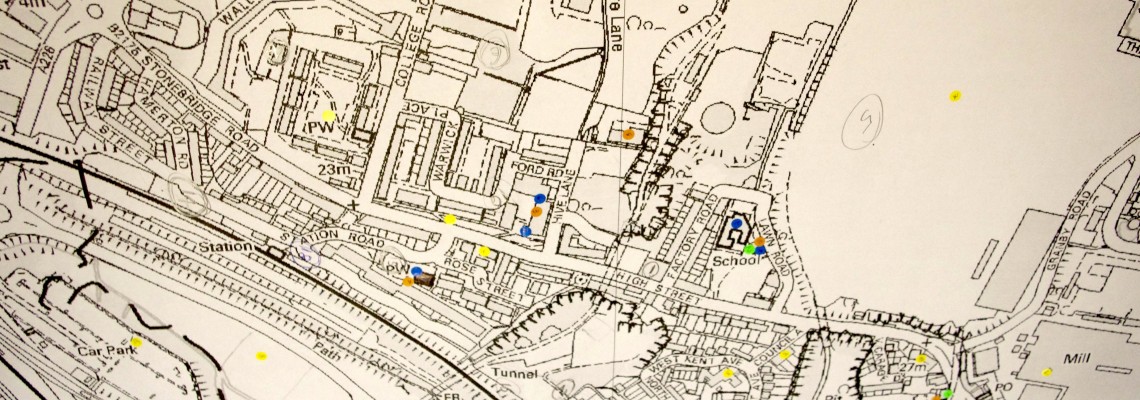
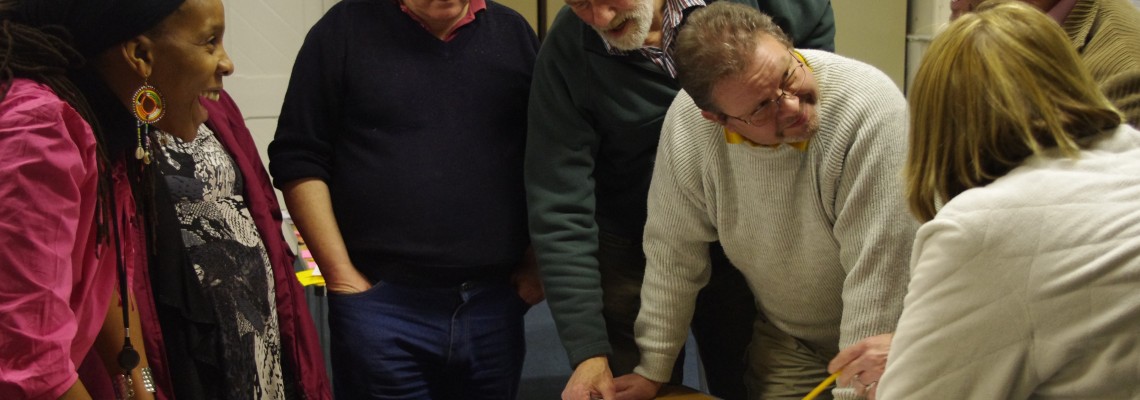
Mapping for Change used paper maps to identify all the good things that already exist in Northfleet, such as groups, clubs, societies, businesses, schools and leisure facilities. This process also enabled people to visualise places that needed to be improved using the Big Local fund. Next, MfC developed an online interactive map for community members to continue contributing their perceptions and ideas. MfC also provided a training workshop to enable volunteers to maintain and use the online map themselves.
Impact
Northfleet community mapping is an on-going process, and the online community map will continue to evolve over time to reflect changes under-way in the area. People can keep sharing their views to it and engage with other members of the Northfleet neighbourhood.


Related Projects
UK Climate and Community Action Map
Mapping for Change produced a Climate and Community Action Map, to inform people about initiatives happening in their local area. As there are thousands of organisations and projects that could be displayed, there is no one organisation that has a comprehensive list so any mapping will need to rely on local people’s knowledge and readiness to add their work to the map.
Putting Ourselves on the Map
Mapping for Change in collaboration with the Humanities Education Centre (HEC) and local specialist on learning and ‘place’ Maggie Hewitt, worked with three schools in Tower Hamlets (Columbia School Community Map, Arnhem Wharf School Community Map and John Scurr School Community Map) to pilot a brand new process in which Year 4 pupils develop personalised maps of their local area with their own likes, memories and views on change.